If there’s one thing I find myself talking about again and again with women in their 40s, it’s protein.
Not because I think you need to live on chicken breasts, protein shakes and cottage cheese.
And definitely not because protein is some magical ingredient that suddenly melts body fat.
It’s because when you’re trying to lose fat in your 40s, while also getting stronger and looking after your health for the years ahead, keeping your muscle matters.
And protein plays an important part in that.
Add in work, school runs, teenagers who appear to be permanently hungry and a dinner that needs to suit everyone, and I completely understand why getting enough protein can feel harder than it sounds.
So let’s make it simple.
Why does protein matter more in your 40s?
As we move through our 40s and into perimenopause and menopause, our bodies are changing.
Changes in hormones, ageing and activity can all affect body composition, and maintaining muscle becomes increasingly important.
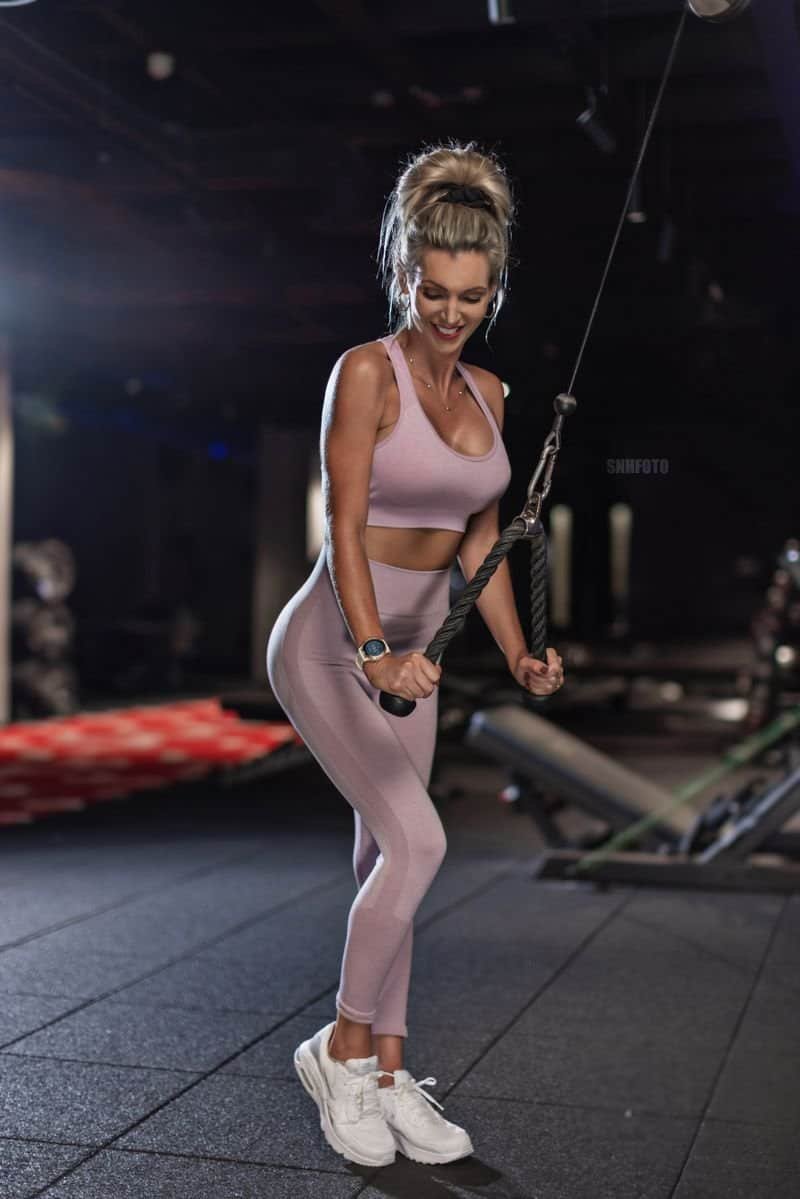
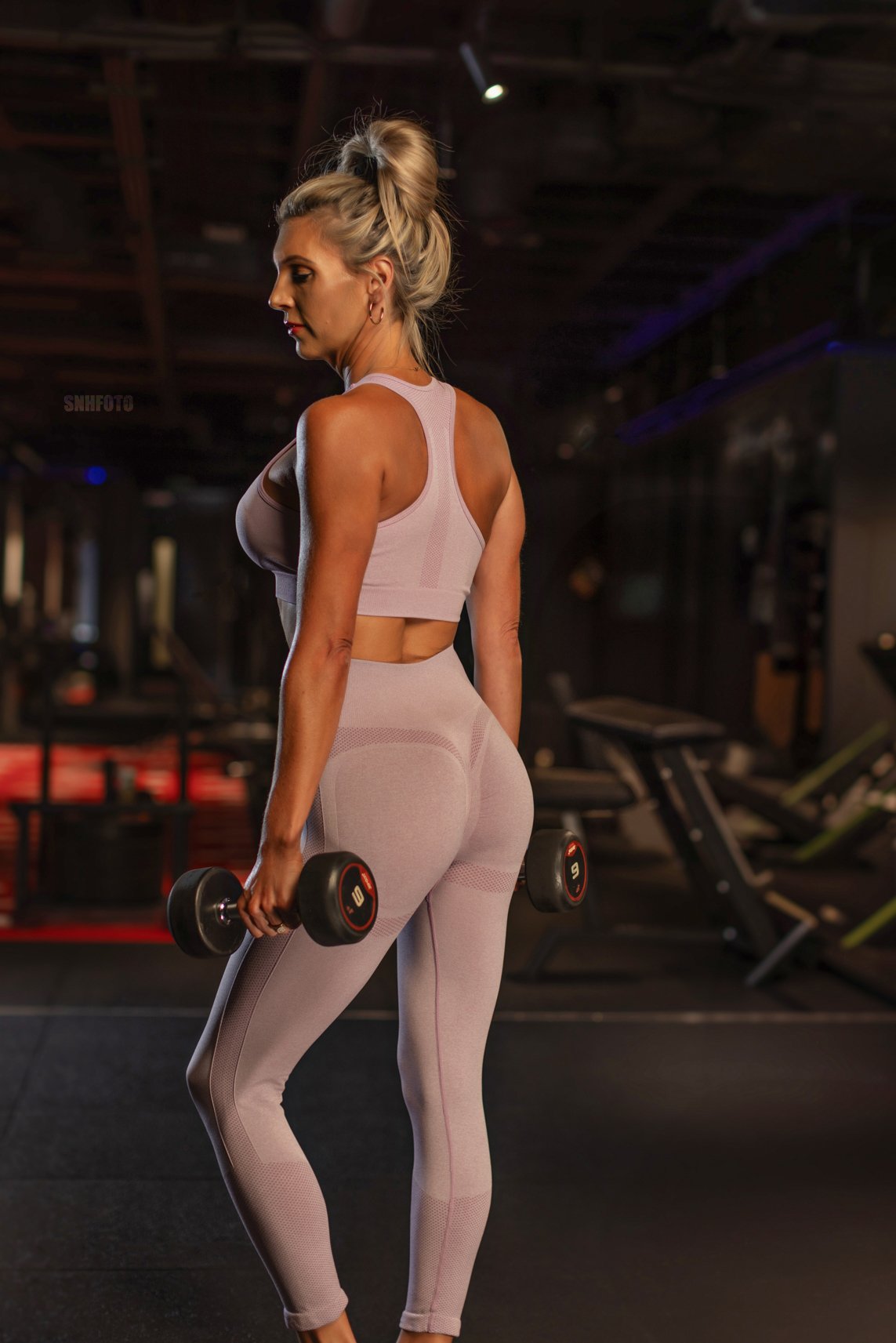
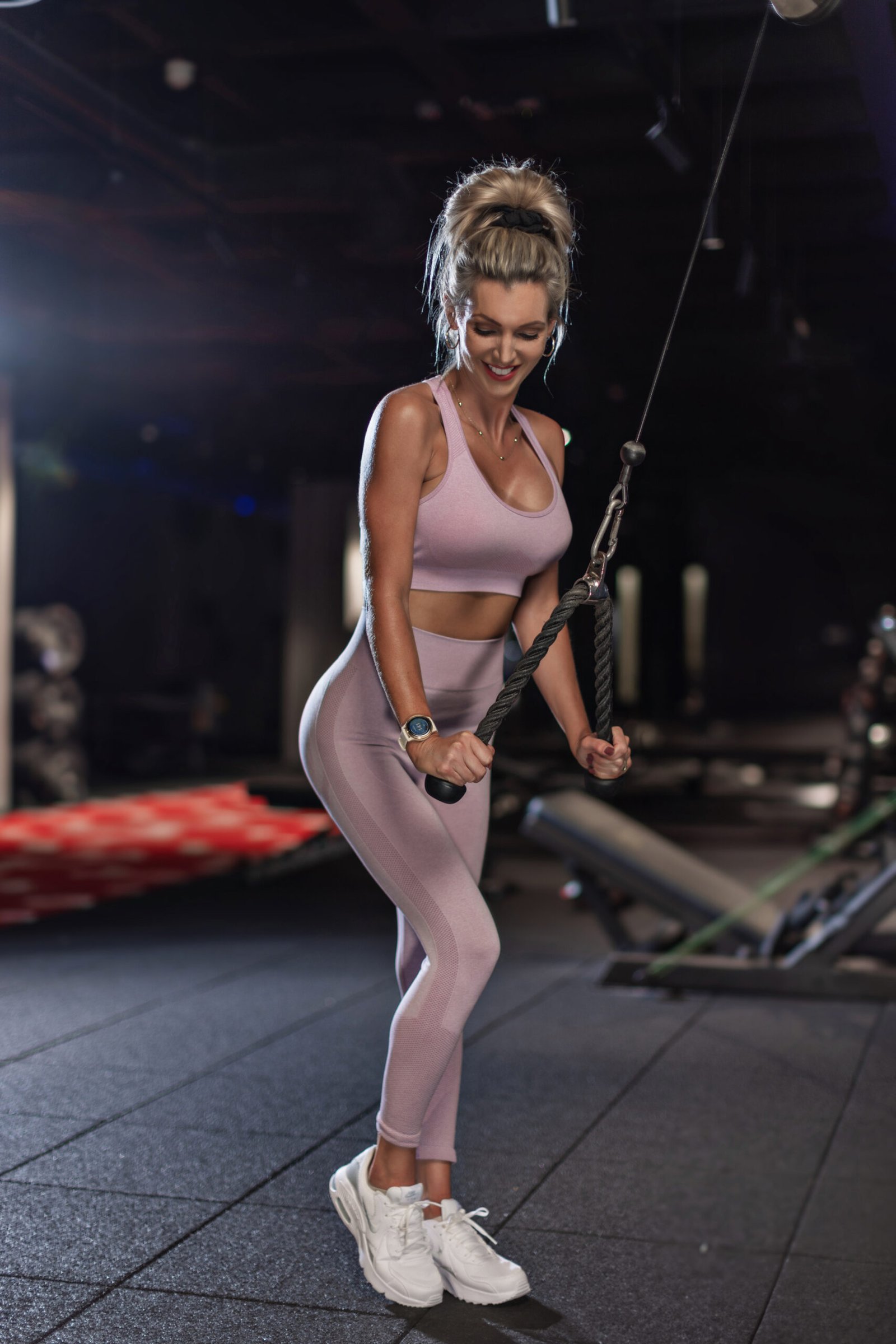
This is one of the reasons I’m such a huge advocate of strength training for women over 40. Research consistently supports resistance training as an effective way of improving strength and helping maintain or build lean tissue as we age.
Protein works alongside that training.
Think of your strength sessions as giving your body the reason to keep and build muscle, while protein supplies the building blocks it needs to repair and maintain it.
That matters during fat loss because I don’t just want you becoming a smaller version of yourself.
I want you losing body fat while doing everything we reasonably can to protect that valuable muscle.
Protein can also help meals feel more satisfying, which is rather useful when you’re trying to create a sustainable calorie deficit without spending your entire day thinking about biscuits.
So how much protein do you actually need?
There isn’t one magic number that applies to every woman.
Your body size, activity, training, health and overall diet all matter.
For active women, a useful general range is around 1.4–2.0g of protein per kilogram of body weight per day. For women trying to lose fat while maintaining muscle, I will often work somewhere within that range depending on the individual.
For example, if you weigh 70kg:
- 70 × 1.4 = 98g
- 70 × 1.6 = 112g
So somewhere around 100–110g per day could be a perfectly reasonable starting point rather than suddenly deciding you need 150g because somebody on Instagram told you so.
Current sports-nutrition guidance supports protein intakes in this sort of range for active women, including through peri- and post-menopause.
This is general guidance, though, not individual medical advice. If you have kidney disease, another medical condition that affects your diet, or you’ve been advised to restrict protein, speak to your doctor or dietitian before substantially changing your intake.
And if you’d rather not sit there with a calculator trying to work everything out yourself, I’ve made that bit easier.
Use my free Macro Calculator to work out your own starting protein and calorie targets.
What does 100g-ish of protein actually look like?
This is where women often get stuck.
They understand they need protein. They just don’t know how to get enough without turning family life upside down.
The easiest approach is to stop thinking about your daily target as one enormous number.
Spread it across your day.
Breakfast
Instead of toast and fruit on their own, think about what you can add.
You could have:
- Greek yoghurt with berries, oats and seeds
- eggs on toast with some yoghurt or fruit alongside
- overnight oats made with Greek yoghurt and milk
- a smoothie with milk, Greek yoghurt or protein powder
- eggs with smoked salmon and toast
You don’t need the perfect breakfast. You just need a better protein anchor.
Lunch
Lunch is where lots of busy mums accidentally survive on bits and pieces.
Try building your lunch around something like chicken, tuna, salmon, eggs, cottage cheese, Greek yoghurt, tofu, beans or leftover meat from dinner.
A chicken salad wrap with a decent amount of chicken is very different nutritionally from grabbing a piece of toast while unloading the dishwasher.
Dinner
You absolutely do not need separate “diet food”.
If everyone is having fajitas, have fajitas.
If they’re having curry, have curry.
If you’re making spaghetti bolognese, eat the bolognese.
Start with a decent portion of the protein source, add plenty of vegetables or salad and then choose an appropriate amount of carbohydrate for you.
Your teenager who’s just played 90 minutes of football may need a considerably bigger serving of pasta than you do.
That’s fine.
Same dinner. Different needs.
Snacks
Protein snacks can help fill the gaps, but they don’t all need to come wrapped in packaging with 20G PROTEIN written across the front.
Think:
Greek yoghurt, boiled eggs, cottage cheese, a glass of milk, edamame, a small tin of tuna or a protein shake when convenience genuinely helps.
Protein bars are fine too.
They’re simply a convenience food, not a requirement.
The protein mistakes I see all the time
“But I eat really healthily.”
You can have an incredibly “healthy” diet and still not eat much protein.
Toast and fruit for breakfast, soup for lunch and a vegetable pasta for dinner can contain plenty of nutritious foods.
But depending on the portions and ingredients, protein may still be quite low.
Don’t ask only, “Is this healthy?”
Ask:
“Where’s my protein?”
Saving all your protein for dinner
A tiny amount at breakfast, a little at lunch and then a huge chicken breast at 8pm isn’t necessarily the most practical way to approach it.
I would much rather see you getting a useful amount at several points throughout your day.
It also makes hitting your total far easier.
Eating less and less because fat loss has stalled
This is a big one.
Women come to me eating very little during the day because they’re desperately trying to lose weight, then wondering why they’re starving by 9pm.
Sometimes the solution isn’t another restriction.
It’s building better meals.
Protein, vegetables, fruit, fibre, carbohydrates and fats all have a place.
Fat loss requires an energy deficit over time, but that doesn’t mean your goal is to survive on as little food as possible.
Relying on protein products
You don’t need a kitchen cupboard that looks like a supplement shop.
A protein shake can be brilliant when you’re rushing from work to collect one child while another needs dropping at football.
But food first is a perfectly sensible approach.
Use convenience foods because they’re convenient — not because you think you can’t make progress without them.
Protein and strength training belong together
If maintaining muscle is the goal, I don’t want you concentrating on protein while ignoring training.
Strength training provides a powerful stimulus for maintaining and building muscle, and evidence supports its benefits for women after menopause as well as throughout midlife.
If you’re new to weights, have a read of my Strength Training for Women Over 40: A Beginner’s Guide.
And if changing hormones seem to have completely changed how your body responds, this may help too: Menopause and Weight Gain: Why It Happens and What Actually Helps.
Neither means you need to become obsessive about food or spend six days a week in a gym.
Quite the opposite.
We’re trying to find the things that give you the biggest return and that you can actually keep doing.
Your first step this week
Don’t overhaul everything.
For the next seven days, do one thing:
Add a proper source of protein to breakfast.
That’s it.
If you’re currently having toast and coffee, perhaps add eggs.
If you’re having cereal, add Greek yoghurt.
If mornings are chaos, make overnight oats the night before or have a shake alongside something you already eat.
Then once that feels normal, look at lunch.
This is how I want you approaching fat loss in general.
You don’t need to fix every habit by Monday morning.
Just make the next best choice.
And every now and then, think about your future self.
Not just what will make the scales move fastest this week.
What will help the woman you want to be at 50, 60 and beyond feel strong, capable and confident in her body?
That’s the bigger goal.
FAQs
Can I eat too much protein?
Yes, more isn’t automatically better. Once you’re eating enough to support your needs, endlessly increasing protein isn’t likely to transform your results. If you have a medical condition affecting kidney function or protein intake, seek individual medical or dietetic advice.
Do I need protein powder?
No. You can get your protein entirely from food. Protein powder is simply a convenient option when getting enough from normal meals is difficult.
Will eating more protein make me lose weight?
Not automatically. Fat loss still requires an appropriate calorie deficit over time. Protein can support fullness and help protect lean mass during weight loss, especially alongside strength training, but it isn’t a fat-burning shortcut.
Want some help putting all of this together?
Knowing what to do and making it work when you’ve got work, teenagers, family meals and a life to run are two very different things.
That’s exactly why my coaching isn’t about handing you a generic meal plan and telling you to be more disciplined.
We build your nutrition and training around your actual life, so you can lose fat, get stronger and create habits you can keep.
If you’d like support rather than trying to piece everything together on your own, you can find your best coaching fit here: